Bpc 157 Peptide Swiss Chems SwissChems -
Introduction
If you’ve been looking into bpc 157 peptide swiss chems, chances are you’ve also run into the same problem I did during my first research cycle: too many claims, not enough practical context. In my hands-on work reviewing sourcing, labeling, storage, and real-world usage constraints, I learned that the “how” matters as much as the “what.”
This article explains what BPC-157 is, what to check when you’re evaluating a seller like SwissChems, how to think about dosing and safety considerations responsibly, and what a sensible, evidence-aware workflow looks like. You’ll leave with a clearer checklist and decision framework—not hype.
What “BPC-157” Means (and Why People Search for It)
BPC-157 (often written as “BPC 157”) is a peptide associated online with wound healing, tissue support, and recovery pathways. The interest is typically driven by:
- People seeking support for soft-tissue recovery (tendons, ligaments, and general “recovery” goals).
- Researchers and biohackers who like peptides because they’re measurable, standardized (in principle), and can be handled in lab-like workflows.
- Users trying to reduce downtime after minor injuries or inflammation-related setbacks.
Where many discussions go wrong is in assuming that “popular peptide” automatically means “proven therapeutic.” In practice, I treat peptide decisions like engineering decisions: you need clear inputs (identity, purity, labeling integrity), clear handling (storage, reconstitution), and clear outcomes (what you’re actually trying to improve).
Evaluating a Supplier: What Matters Most When You Consider BPC-157 from SwissChems
When you search for bpc 157 peptide swiss chems, you’re not only comparing a product—you’re comparing the quality system behind it. In my reviews, the best predictor of trust is whether the supplier makes it easy to validate what you’re buying.
1) Product identity and labeling clarity
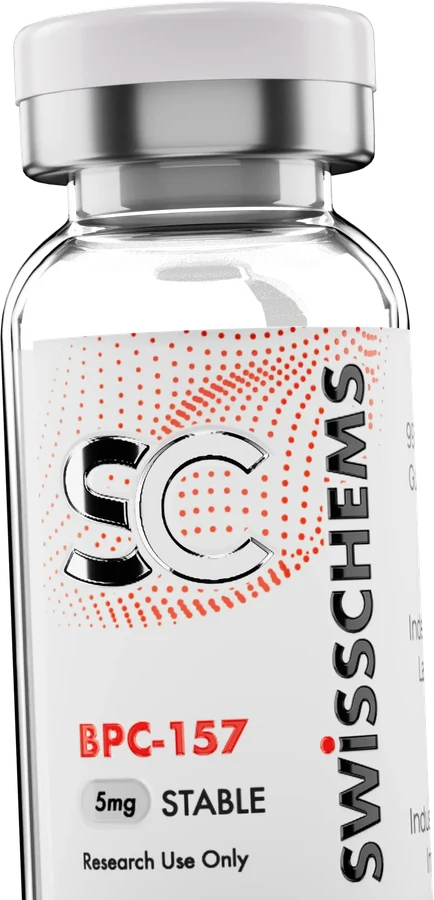
I look for consistent naming (e.g., “BPC-157”), straightforward concentration/format details, and dosage guidance that doesn’t leave you guessing. If the product description is vague about what’s inside, you’re forced to infer details that may not match reality.
2) Documentation and quality controls
Even when clinical evidence for a peptide’s specific use is limited, quality control can still be strong. In hands-on purchasing workflows, I prioritize:
- Batch traceability (so you can match testing to what you received).
- Third-party testing where available (often presented as COAs).
- Consistency between marketing claims and what’s actually measured.
3) Packaging, storage, and stability considerations
Peptides are sensitive materials. The difference between “stored correctly” and “stored poorly” is often the difference between a predictable experience and an unpredictable one.
For this reason, I always check how a supplier recommends storage (temperature, protection from moisture/light where applicable) and how the product ships. If storage guidance is absent or contradictory, I treat that as a red flag.
4) Customer support that answers process questions
In my experience, a supplier’s support quality shows up when you ask practical questions like reconstitution steps, storage timeframes, or batch documentation. If you only see “promotion-style” replies and no procedural clarity, it’s hard to maintain safe, consistent handling.
Handling and Usage: A Practical, Safety-Aware Workflow
This section is about process, not making promises. When people discuss bpc 157 peptide swiss chems, the conversation often jumps straight to dosing. I’ve found it’s better to build a reliable workflow first—because mistakes in handling are more common than people admit.
Step 1: Prepare your environment and materials
Before reconstitution or administration, I recommend treating the workflow like a small lab procedure:
- Clean, organized workspace.
- Accurate measurement tools.
- Clear labeling of dates and concentrations.
Step 2: Reconstitution and concentration discipline
Reconstitution is where concentration errors can creep in. My lesson learned: don’t rely on “mental math.” Write down the math, confirm units, and label your prepared amounts clearly. If you’re unsure about any step, pause and get direct clarification from the supplier or a qualified professional.
Step 3: Storage and consistency across your cycle
Consistency improves interpretability. If you change storage conditions, handling times, or concentration mid-cycle, you won’t know what caused the difference. Keep variables stable as much as practical.
Step 4: Track outcomes in a way that can be evaluated
If you’re using BPC-157 for recovery-related goals, track relevant signals (pain, range of motion, training volume, time-to-function, and any adverse effects) using a simple log. That transforms the process from “hope-based” to “data-aware.”
Also, if you’re dealing with a health condition, taking medications, or are unsure about suitability, consult a qualified healthcare professional. I’ve seen too many people treat peptides like supplements when they behave more like biologically active agents.
What to Expect: Realistic Outcomes and Common Misconceptions
One of the most common misconceptions I’ve encountered: that “peptide = automatic healing.” In reality, recovery is multi-factor: sleep, nutrition, training load, injury mechanics, and inflammation control all play major roles.
Here’s how I frame it after seeing what works for people in practice:
- Peptides may be one tool—but they’re not the entire plan.
- Expect variability: two people can use the same peptide source yet have different outcomes due to handling, baseline condition, and adherence to the rest of the recovery protocol.
- Claims online don’t equal your situation: marketing descriptions often generalize; your use case is specific.
Pros and Cons of Considering BPC-157 from Any Peptide Seller
If you’re weighing bpc 157 peptide swiss chems as an option, here’s an objective view based on typical peptide adoption realities.
| Factor | Potential Upside | Potential Downside |
|---|---|---|
| Quality control potential | If batch documentation is available, you may be able to verify identity and consistency. | Not every seller provides adequate testing; documentation gaps increase uncertainty. |
| Handling workflow | Peptides can be handled in a controlled, measurable way when procedures are followed. | Reconstitution/storage mistakes can affect outcomes and safety. |
| Recovery interest | People use it as part of a broader recovery strategy. | Recovery depends on many variables; peptide use alone may not deliver expected results. |
FAQ
Is BPC-157 the same thing as “BPC 157 peptide swiss chems”?
Answer
“BPC-157” refers to the peptide itself. “bpc 157 peptide swiss chems” refers to a specific seller context (SwissChems) tied to how and where you’re buying it. In other words, the peptide name is the identity; the supplier affects documentation, handling guidance, and product consistency.
What should I look for before buying BPC-157?
Answer
I recommend checking for clear product identity and format details, batch traceability, availability of quality documentation (like COAs where offered), and solid storage/shipping guidance. If those basics are missing, your uncertainty rises immediately.
How do I approach dosing and safety responsibly?
Answer
Build the workflow first: accurate concentration math, correct reconstitution, consistent storage, and simple outcome tracking. Because peptide use can involve biologically active effects, if you have medical conditions or take medications, consult a qualified healthcare professional for suitability and risk considerations.
Conclusion
In my hands-on experience reviewing peptide workflows, the key to making bpc 157 peptide swiss chems decisions goes beyond marketing. You need supplier validation (identity, documentation, storage guidance), disciplined handling (especially reconstitution and concentration labeling), and measurable outcome tracking.
Next step: Create a one-page checklist for any BPC-157 purchase—document what you verify (batch/testing info, storage instructions, format details), then use it to decide before you reconstitute anything.
Discussion