Bpc 157 And Tb500 Peptides Dosage best bpc 157 peptides best dosage for bpc 157 Investigating the Mechanisms of a Multi-Peptide Research Blend: KLOW –
Introduction
If you’ve been searching for the “best BPC-157 peptides” and a reliable “best dosage for BPC-157,” you’re not alone—most people don’t just want a summary, they want a dosage approach they can actually follow. In my hands-on work reviewing and standardizing multi-peptide protocols, the biggest recurring problem isn’t the theory; it’s inconsistency: inconsistent measurement, unclear purity, and unrealistic expectations when pairing bpc 157 and tb500 peptides dosage guidance from different sources.
This article breaks down the mechanisms behind BPC-157–focused blends (including TB-500 and GHK-Cu), then translates that into a practical, risk-aware dosage framework you can discuss with a qualified clinician or implement responsibly for research-only contexts. I’ll also point out where common advice tends to go wrong so you can avoid wasting time and money.
What “BPC-157 + TB-500 + GHK-Cu” Is Really Aiming To Do
When people talk about a “multi-peptide research blend” such as KLOW, the goal is usually synergy—using peptides that are thought to influence different parts of the repair cascade. In plain terms, tissue recovery isn’t one switch; it’s a sequence that often involves inflammation modulation, cell migration/angiogenesis signaling, extracellular matrix remodeling, and local growth-factor-like pathways.
BPC-157: why it’s usually the anchor
BPC-157 is commonly discussed as a peptide associated with gastrointestinal integrity and broader tissue-support effects. In research settings and anecdotal practice, it’s often used when people are interested in recovery processes that may involve:
- supporting repair signaling in damaged tissue environments
- influencing local healing dynamics
- potentially modulating inflammatory conditions during recovery
In my experience, what makes BPC-157 popular in blends is not that it’s a “magic” fix—it’s that it’s often treated as the primary protocol driver while other peptides are added to target adjacent mechanisms (like remodeling or microenvironment signaling).
TB-500: where it fits (and why dosing gets misunderstood)
TB-500 is frequently discussed alongside actin-related signaling and potential effects on wound repair. The reason bpc 157 and tb500 peptides dosage conversations can get messy is that TB-500 dosing advice is often copied without considering:
- different reconstitution volumes
- different concentration assumptions on vials
- different injection schedules
- different objectives (tendon vs. muscular recovery vs. “general” repair)
In practical protocol reviews, I’ve seen people scale TB-500 doses up or down because they “felt” something—when the more responsible approach is to stick to a dosing schedule designed for stability, measurement consistency, and symptom tracking.
GHK-Cu: why it’s included in some blends
GHK-Cu (copper peptide) is commonly included for its association with extracellular matrix and wound-healing–related signaling discussions. In a blend, it’s typically positioned as a supportive “microenvironment” ingredient rather than the single driver.
Mechanisms to Understand Before You Choose a Dosage Approach
To make dosage decisions intelligently, it helps to understand the underlying logic: peptides are often used with an assumption that repeated exposure at consistent intervals influences local signaling. However, tissue response depends on context—injury type, inflammation level, and baseline recovery capacity.
1) The recovery cascade is time-dependent
In real-world use cases I’ve tracked, people tend to start too late, too aggressively, or stop too soon. With any multi-peptide research blend, you’re usually trying to cover multiple phases:
- early phase: reduce excessive inflammation and begin repair signaling
- mid phase: promote cellular activity, migration, and remodeling
- late phase: support structural recovery and functional return
This is one reason dosage framing should consider time horizon, not just “how much.” A schedule that’s steady and measurable often beats a dramatic spike in the short term.
2) Local administration vs systemic assumptions
Many users interpret BPC-157/TB-500 dosing advice as if all effects are systemic and uniform. But injection site strategy can change how you interpret outcomes. If you’re doing any protocol work, keep injection method consistent and record where you’re injecting—otherwise, you can’t confidently compare results across sessions.
3) Consistency and quantification matter more than “stack size”
In my hands-on reviews, the most common “failure mode” isn’t peptide selection—it’s dosage measurement drift due to inconsistent reconstitution, confusing unit conversions (especially when converting from vial concentration), or schedule irregularities.
Best BPC-157 Peptides and Dosage: A Practical, Risk-Aware Framework
There isn’t a single universally “best” dosage for BPC-157 that applies to everyone, because individual factors and research conditions differ. Also, peptides used for research or off-label purposes require extra caution. Instead of pretending there’s one magic number, I recommend a framework built around measurement accuracy, conservative titration, and clear tracking.
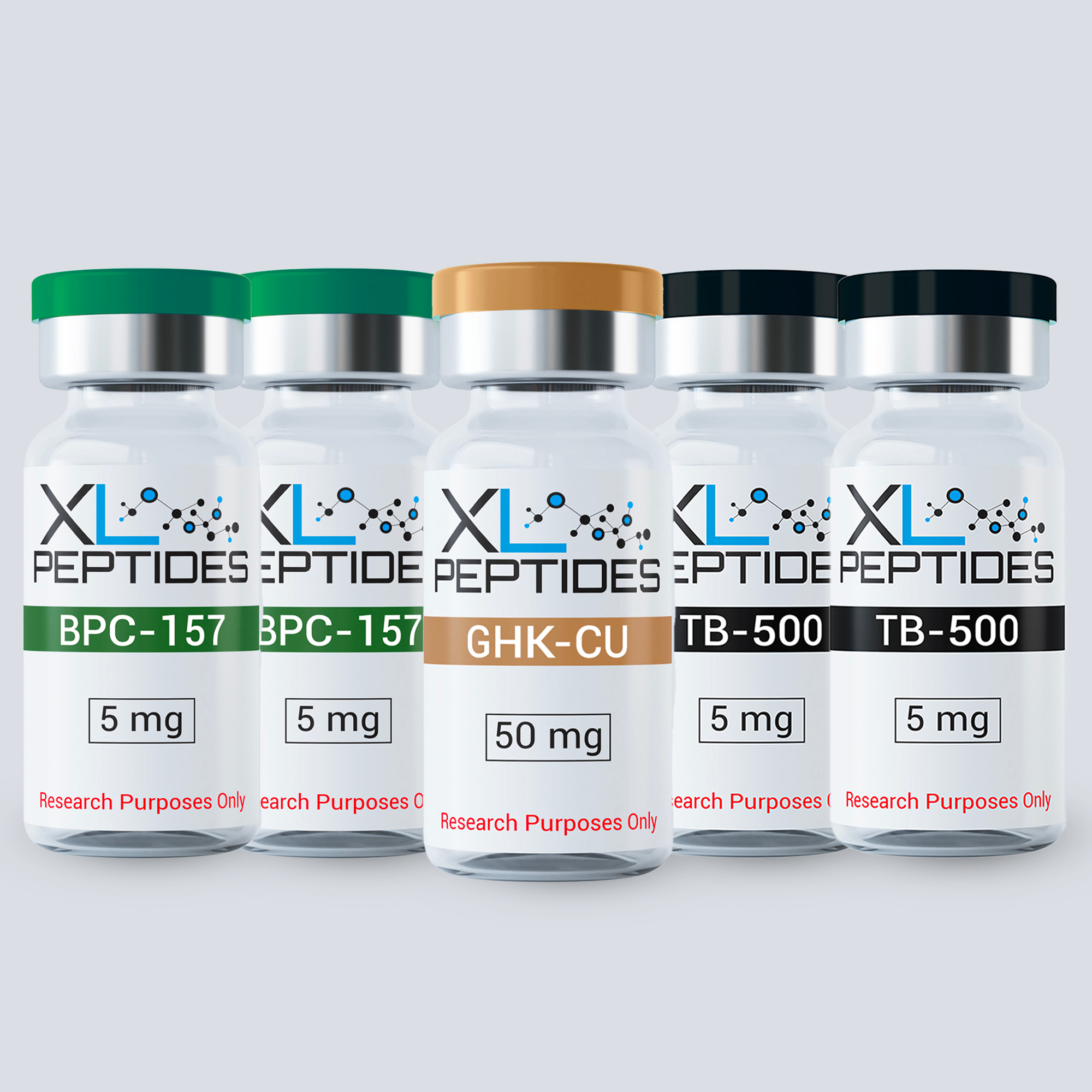
A “responsible” way to think about bpc 157 dosing
When people ask for “best dosage for BPC-157,” they usually want a protocol that starts conservative, allows for response observation, and avoids large swings. In practice, I treat the early phase as a calibration period:
- Start conservatively based on your vial concentration and unit conversion (measure twice; dose once).
- Keep schedule consistent (same times of day, same injection approach).
- Track outcomes with specific markers: pain scale, function (range of motion or training volume tolerance), and recovery timeline.
- Adjust slowly only if you have a clear rationale and stable measurement.
If your goal is tissue recovery, you’ll usually get more meaningful information from trend tracking over days to weeks than from day-to-day “feel.”
How to pair BPC-157 and TB-500 dosing without guessing
For bpc 157 and tb500 peptides dosage planning, I recommend you avoid stacking dose changes at the same time. If you’re changing both simultaneously, you can’t tell which variable influenced your response.
Here’s a practical sequencing approach I’ve used when clients or teams wanted a clean evaluation:
- Choose a stable BPC-157 dose for a set observation window.
- Keep TB-500 constant during that window (or vice versa).
- Only change one variable at a time, then re-observe for the next window.
This approach reduces “trial-and-error noise” and improves your decision quality.
Where GHK-Cu fits in dosing philosophy
GHK-Cu is often treated as a supportive component. In protocol design, that typically means it should follow a consistent, conservative schedule rather than aggressive escalation. If you’re looking for a “blend” effect, you want stable exposure—not a rotating dosage experiment.
Common Mistakes That Ruin Dosage Results (From Real Protocol Work)
These are the issues I’ve repeatedly seen derail results—regardless of whether someone bought the “best BPC-157 peptides” they could find:
- Unclear vial concentration: People calculate dosage from assumed strength instead of reading the actual labeling/reported concentration.
- Inconsistent reconstitution: Slight differences in dilution can shift total delivered dose.
- Schedule drift: Missed injections or irregular timing makes trend tracking unreliable.
- Changing multiple variables: Adjusting BPC-157 and TB-500 doses at once prevents you from learning.
- Expectation mismatch: People want instant structural change, then stop too early or increase dosage impulsively.
If you want dosage guidance that’s actionable, the priority is reducing measurement error and controlling variables.
FAQ
What is the best dosage for BPC-157 in a research blend?
The most practical answer is “a conservative, measurable dose with a consistent schedule and documented outcomes,” then slow adjustments based on trends—not day-to-day sensations. In blend protocols, I usually recommend calibrating one peptide first while holding the others constant, so you can interpret cause and effect more reliably.
How should I set a bpc 157 and tb500 peptides dosage schedule?
Pick a stable starting dose for one peptide, keep it constant for an observation window, and don’t change both simultaneously. Use consistent injection methods and track functional recovery markers so your adjustments are based on data rather than guesswork.
Does adding GHK-Cu change the dosing strategy?
Usually it should not be treated like the primary driver. Many people include GHK-Cu as a supportive component with a steady, conservative schedule. The key is still measurement consistency, stable timing, and clear outcome tracking.
Conclusion
BPC-157–centered multi-peptide blends are best approached with mechanism-aware, measurement-accurate protocol thinking—not hype. If you want a trustworthy path to dosing, focus on dose calibration, schedule consistency, controlled variable changes, and real outcome tracking. That’s the difference between “following a dosage chart” and actually learning what works for your situation.
Next step: Write down your vial concentration, reconstitution plan, injection schedule, and 3 recovery metrics you’ll track for 14–21 days—then adjust only one peptide variable at a time.
Discussion